8455 Boat Club Rd, Ste. 175 Fort Worth, Texas 76179

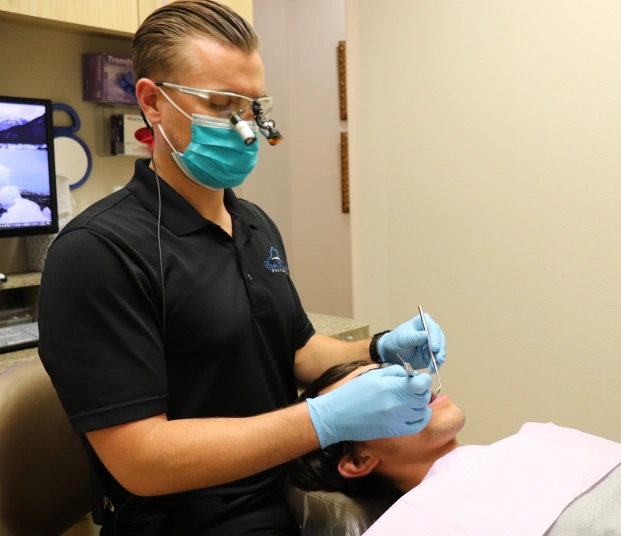
Tooth Extractions for Better Oral Health
Tooth extractions may be recommended when a tooth is severely damaged, decayed, infected, or cannot be predictably restored. At Eagle Mountain Dentistry in Fort Worth, TX, tooth extractions begin with an evaluation of the affected tooth and surrounding structures.
The goal is to remove the source of the problem while protecting nearby tissues whenever possible. Extraction may also help create a healthier foundation for future tooth replacement options such as dental implants. Addressing a compromised tooth in a timely manner can support better oral health and everyday function.
Schedule a Tooth Extraction Consultation
Common Reasons for Tooth Extraction
Extraction is generally considered when keeping a tooth would provide limited benefit or when the tooth presents a risk to surrounding oral structures. Depending on the condition of the tooth, removal may help resolve an active problem and prevent further complications.
- Extensive tooth decay: A tooth that has lost too much healthy structure to support a predictable restoration may need to be removed.
- Severe dental damage: Cracks, fractures, or trauma can sometimes leave a tooth beyond predictable repair.
- Advanced infection: When infection has significantly compromised a tooth, extraction may be considered when other treatment options cannot adequately resolve the problem.
- Impacted teeth: A tooth that cannot erupt properly may cause pressure, discomfort, infection, or damage to neighboring teeth.
- Crowding: In certain treatment plans, removing a tooth may create necessary space for proper alignment.
- Retained baby teeth: A primary tooth that does not fall out as expected can sometimes interfere with the eruption of a permanent tooth.
Who Should Consider a Tooth Extraction
Not every painful or damaged tooth needs to be removed. Whenever possible, preserving natural tooth structure is considered first, but extraction may become the more appropriate option when the tooth cannot be restored reliably or poses a continuing oral health concern. A tooth extraction may be recommended if you have:
- A tooth with extensive decay or structural damage
- A fractured or broken tooth that cannot be predictably repaired
- A persistent infection that cannot be adequately managed with restorative treatment
- An impacted tooth that is causing or may cause complications
- Significant crowding or insufficient space as part of a broader treatment plan
- A tooth that is loose because of advanced loss of supporting structures
- A primary tooth that is blocking normal permanent tooth eruption
From Tooth Evaluation to a Planned Removal
The experience of having a tooth removed depends on its location, condition, and whether a simple or more involved surgical extraction is required. Before treatment, the affected area is evaluated, and the recommended approach is explained so you understand why extraction is being considered and what recovery may involve.
01.
Examine the Tooth and Surrounding Area
The condition of the tooth, gums, and nearby structures is evaluated. Dental imaging may be used to understand the tooth's roots, position, and relationship to surrounding anatomy.
02.
Determine the Appropriate Extraction Approach
A straightforward tooth may be removed with a simple extraction, while a tooth that is broken, impacted, or difficult to access may require a surgical approach. The treatment method is based on the individual tooth rather than a one-size-fits-all procedure.
03.
Numb the Treatment Area
Local anesthesia is used to numb the area before the extraction begins. This helps prevent pain during the procedure while allowing the treatment team to work carefully around the tooth and surrounding tissues.
04.
Remove the Tooth Carefully
The tooth is loosened and removed using techniques appropriate for its condition and position. When surgical extraction is necessary, the procedure may involve accessing the tooth beneath the gum or removing it in sections.
05.
Protect the Extraction Site
After removal, the area is managed to support the formation of a healthy blood clot and natural healing. Specific instructions are provided for caring for the site during the initial recovery period.
06.
Plan for What Comes Next
Depending on the location of the extracted tooth and your oral health goals, tooth replacement may be discussed. Replacing a missing tooth can help restore chewing function and prevent unwanted changes in the surrounding teeth.
Supporting a Smooth Recovery
The extraction itself is only one part of treatment, as proper aftercare plays an important role in healing. Some tenderness, swelling, or sensitivity may occur during the first few days as the tissues recover. Keeping the extraction site undisturbed can help support normal healing and reduce the risk of complications. Following your dental team’s instructions for oral hygiene is also important during recovery.
Avoiding activities that may disturb the developing blood clot can further protect the extraction site. Recovery instructions may vary depending on the type of extraction and your individual needs. The space left by a removed tooth may also be addressed with a dental implant, bridge, or another restoration. Replacing the missing tooth when appropriate can help restore function and support a more balanced bite.
Get the Care Your Tooth Needs
If a damaged, infected, broken, or problematic tooth is causing discomfort or affecting your ability to eat comfortably, Eagle Mountain Dentistry can evaluate the tooth and explain whether extraction is appropriate. Call (817) 420-6676 to schedule a tooth extraction consultation in Fort Worth, TX.
Schedule Your Extraction Consultation