8455 Boat Club Rd, Ste. 175 Fort Worth, Texas 76179

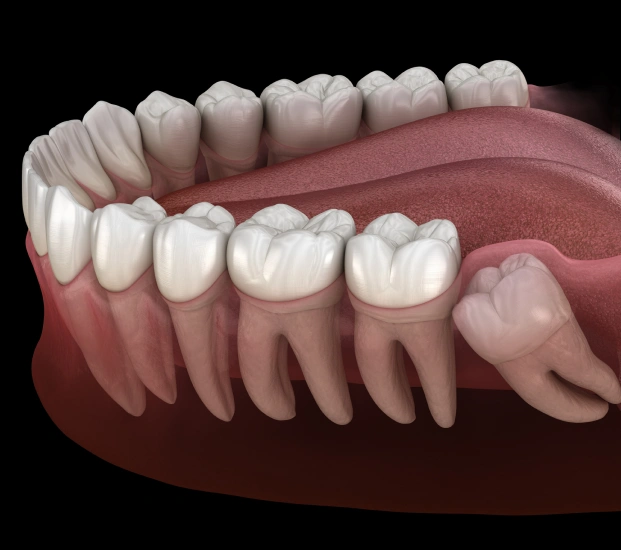
Wisdom Teeth Care for a Healthier Smile
Wisdom teeth are the last permanent teeth to develop and may not have enough space to erupt properly. At Eagle Mountain Dentistry in Fort Worth, wisdom teeth extraction is planned based on the tooth’s position, available space, surrounding structures, and overall oral health.
Impacted or partially erupted wisdom teeth can trap food and bacteria, increasing the risk of decay, infection, and discomfort. Not every wisdom tooth requires removal, but regular evaluation can help identify potential problems early. When extraction is recommended, timely treatment can help protect nearby teeth and support long-term oral health.
Schedule a Wisdom Teeth Evaluation
Importance of Wisdom Teeth Removal
Wisdom teeth can develop differently from other permanent teeth because they erupt later, often when there is limited room at the back of the mouth. Their position can make them difficult to clean or place pressure on surrounding teeth, particularly when they become impacted.
- Impaction: A wisdom tooth may remain trapped beneath the gum or bone instead of erupting normally.
- Insufficient space: Limited room can cause a wisdom tooth to grow at an angle or push against neighboring teeth.
- Recurring infection: Partially erupted wisdom teeth can create pockets where food and bacteria collect, increasing the risk of inflammation and infection.
- Tooth decay: Wisdom teeth can be difficult to reach with a toothbrush or floss, making them more susceptible to decay.
- Damage to nearby teeth: An improperly positioned wisdom tooth can place pressure against an adjacent molar or contribute to damage around it.
- Gum problems: Tissue surrounding a partially erupted wisdom tooth can become swollen, tender, or infected.
- Cyst or other abnormal changes: In some cases, an impacted wisdom tooth can be associated with changes in the surrounding tissue or bone.
Signs of Wisdom Tooth Problems
Wisdom tooth problems do not always cause obvious pain at first. Some concerns may only become visible during a routine dental exam or through imaging before symptoms appear. Here are some of the signs you need to watch out for:
- Pain or pressure at the back of the jaw
- Swelling around a partially erupted tooth
- Red, tender, or bleeding gum tissue near the wisdom teeth
- Difficulty opening your mouth comfortably
- Bad breath or an unpleasant taste that keeps returning
- Food frequently becoming trapped around the back molars
- Pain when chewing
- Repeated infections around a wisdom tooth
The Wisdom Teeth Removal Process
Wisdom teeth removal can range from a straightforward extraction to a more involved surgical procedure, depending on how the teeth have developed and whether they are impacted. Careful evaluation before treatment helps determine the safest approach and allows the procedure to be planned around the position of the tooth and surrounding anatomy.
01.
Evaluate the Wisdom Teeth
The position and condition of the wisdom teeth are examined, and dental imaging may be used to assess their roots, eruption pattern, and relationship to nearby teeth and structures.
02.
Determine Whether Removal Is Recommended
Not every wisdom tooth automatically needs extraction. The recommendation is based on factors such as impaction, available space, symptoms, infection risk, and potential effects on surrounding teeth.
03.
Prepare for the Procedure
Before extraction, the treatment plan and instructions are reviewed so you know what to expect before, during, and after the procedure. Appropriate anesthesia is selected based on the planned extraction.
04.
Remove the Wisdom Tooth
The tooth is carefully loosened and removed. If it is impacted or difficult to access, a surgical extraction may involve opening the gum tissue or sectioning the tooth into smaller pieces for controlled removal.
05.
Protect the Extraction Site
After the tooth is removed, the area is managed to encourage proper blood clot formation and healing. Instructions are provided for protecting the site during the first stage of recovery.
06.
Monitor Healing
Follow-up care may be recommended depending on the complexity of the extraction. Any concerns that arise during recovery can be evaluated to help keep healing on track.
Recovery After Wisdom Teeth Removal
Recovery after wisdom teeth extraction can vary based on the number of teeth removed and whether the teeth were impacted or required surgical removal. Some swelling, tenderness, jaw stiffness, or sensitivity is common during the first few days. These symptoms generally change as the extraction sites begin to heal. Following the recommended aftercare instructions can help support a smoother recovery. Keeping the extraction areas undisturbed and maintaining appropriate oral hygiene are important during this stage.
Choosing softer foods during the initial healing period can also help protect the extraction sites while they recover. Avoiding activities that may disturb the blood clot can reduce the risk of healing complications. It is important to monitor your symptoms as recovery progresses and contact the dental team if you experience increasing pain, persistent swelling, significant bleeding, fever, or other unusual changes.
Plan for Personalized Wisdom Teeth Care
If your wisdom teeth are causing pain, swelling, repeated infections, or pressure at the back of your mouth, or if you simply need to know whether they should be removed, Eagle Mountain Dentistry can evaluate their position and explain your options. Call (817) 420-6676 to schedule a wisdom teeth consultation in Fort Worth, TX.
Schedule Your Wisdom Teeth Consultation