8455 Boat Club Rd, Ste. 175 Fort Worth, Texas 76179

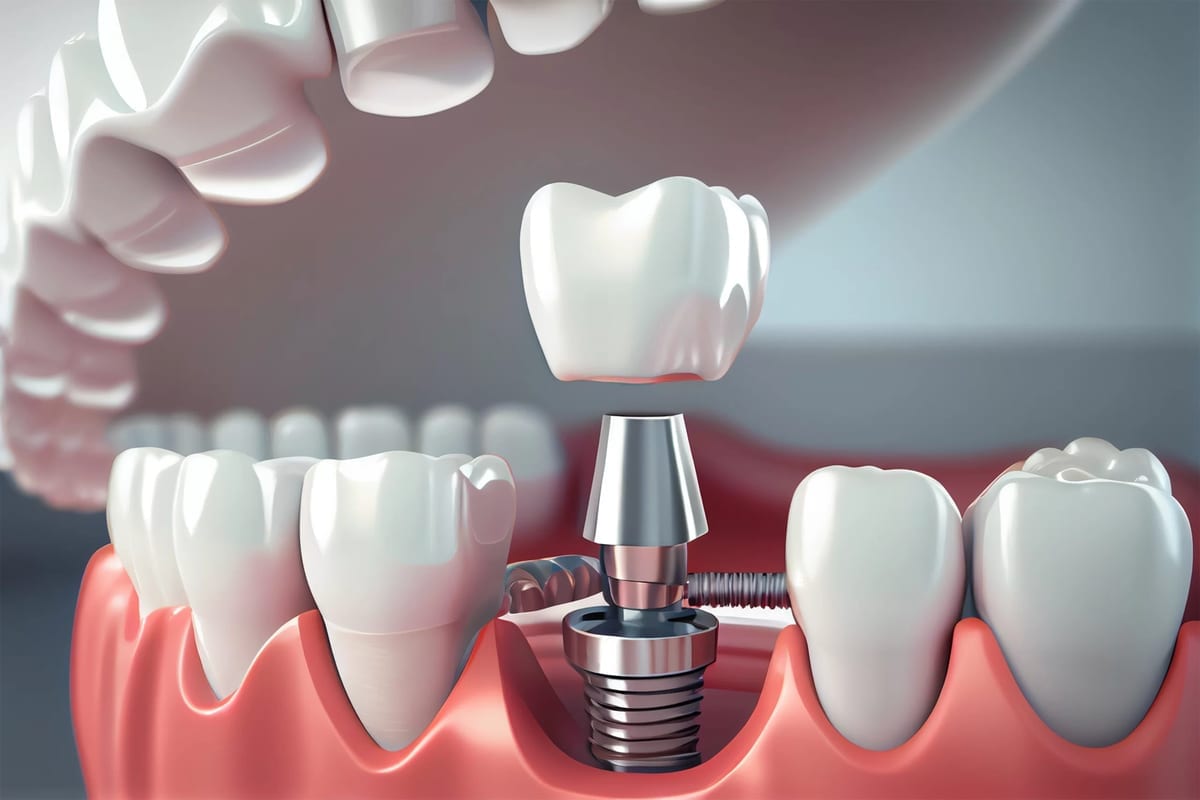
Dental implants are one of the most durable tooth replacement options available today. Many patients in Eagle Mountain, TX ask Dr. Steven Renas the same question: How long do dental implants actually last? The honest answer is impressive — dental implants last 25 years or more when properly maintained. Understanding what affects that lifespan helps you protect your smile for decades to come.
How Long Do Dental Implants Last in Eagle Mountain?
Studies consistently show that dental implants have a success rate above 95% at the 10-year mark. Many patients enjoy their implants well beyond 25 years. In some cases, implants placed decades ago are still functioning perfectly today.
The implant post itself — the titanium screw anchored in your jawbone — is designed to last a lifetime. The crown attached on top typically lasts 10 to 15 years before it may need replacement. With excellent care, that crown lifespan extends significantly.
The key takeaway is this: longevity depends on you as much as it depends on the implant. Your daily habits, health choices, and dental visits all play a direct role in how long your implants thrive.
Factors That Shorten Implant Lifespan
Several factors can reduce how long your dental implants last. Being aware of these risks allows you to take action before problems develop. Dr. Renas educates every implant patient at Eagle Mountain Dentistry about these threats early on.
The most common factors that shorten implant lifespan include:
- Gum disease (peri-implantitis): Bacterial infection around the implant site is the leading cause of implant failure
- Smoking: Tobacco reduces blood flow and impairs the healing process around implants
- Uncontrolled diabetes: High blood sugar levels interfere with osseointegration, the bone-fusing process
- Teeth grinding (bruxism): Excessive pressure cracks crowns and stresses the implant post
- Poor oral hygiene: Plaque buildup leads to infection and bone loss around the implant
- Skipping dental checkups: Early warning signs go undetected without professional monitoring
Some of these factors are within your control. Others, like certain medical conditions, require close coordination between your dentist and physician. Either way, awareness is the first step toward prevention.
What Helps Dental Implants Last 25 Years or More
The good news is that extending implant longevity is very achievable. Most patients who keep their implants for 25 years or more follow a consistent set of habits. These habits are not complicated — they just require commitment.
Here are the most effective ways to protect your implants long-term:
- Brush twice daily: Use a soft-bristled toothbrush and non-abrasive toothpaste around the implant site
- Floss daily: Use implant-specific floss or a water flosser to clean between the implant and gum line
- Avoid hard foods: Chewing ice, hard candy, or hard nuts puts unnecessary stress on the crown
- Wear a night guard: If you grind your teeth, a custom guard protects both the crown and the post
- Quit smoking: Eliminating tobacco dramatically improves implant survival rates
- Attend biannual cleanings: Professional cleanings remove biofilm that daily brushing misses
Each of these habits compounds over time. Patients who follow all six dramatically outperform those who only follow one or two. Think of it as a team approach — your daily routine and Dr. Renas’s professional care working together.
The Role of Bone Health in Implant Longevity
Dental implants fuse directly with your jawbone through a process called osseointegration. This bond is what makes implants so stable and long-lasting. However, the health of your surrounding bone directly affects implant durability.
Bone loss can occur silently over time. Gum disease is the most common trigger. Osteoporosis and certain medications can also reduce bone density around the implant site.
Dr. Renas uses digital imaging at Eagle Mountain Dentistry to monitor bone levels around implants at every visit. Catching early bone loss allows for prompt treatment before it threatens the implant. This is one reason regular checkups are non-negotiable for implant patients.
Conditions that affect your general health can also affect bone quality. Patients managing diabetes or taking bisphosphonate medications should always inform their dental team. Open communication helps Dr. Renas tailor a care plan specific to your needs.
How Eagle Mountain Dentistry Supports Long-Term Implant Success
Placing the implant is only the beginning of your journey. The ongoing relationship between you and your dental team determines the final outcome. At Eagle Mountain Dentistry, Dr. Steven Renas builds that long-term relationship with every implant patient.
Your implant care plan may also involve coordination with other dental services. For example, patients who have experienced prior tooth loss from infection may have also needed Root Canal Therapy Eagle Mountain before implant placement. Similarly, patients with impacted teeth may need Wisdom Teeth Extraction Eagle Mountain to create a healthier environment for future implants.
Comprehensive oral care surrounding your implant sets the stage for lifetime success. A healthy mouth is the best environment for a long-lasting implant. That means treating existing problems and preventing new ones from developing.
Dr. Renas also evaluates bite alignment and jaw function in implant patients. An uneven bite creates excess pressure on certain implants. Correcting bite issues early prevents premature wear on both the crown and the underlying post.
Conclusion: Make Your Implants Last a Lifetime
Dental implants last 25 years or more — and many last an entire lifetime. That longevity is not automatic, but it is absolutely achievable with the right habits and professional support. Patients in Eagle Mountain, TX have a trusted partner in Dr. Steven Renas and the team at Eagle Mountain Dentistry.
Your implants represent a meaningful investment in your oral health and quality of life. Protecting that investment starts with consistent daily care and continues with regular professional monitoring. Together, those two elements give your implants the best possible chance of lasting decades.
If you have questions about your current implants or want to explore whether implants are right for you, our team is ready to help. Book Now to schedule your appointment with our team.
Frequently Asked Questions
How long do dental implants realistically last?
Dental implants last 25 years or more for most patients who maintain good oral hygiene and attend regular dental checkups. The titanium post can last a lifetime, while the crown on top may need replacement after 10 to 15 years depending on wear and care habits.
What is the most common reason dental implants fail?
Peri-implantitis, a bacterial infection of the gum and bone tissue surrounding the implant, is the leading cause of implant failure. It develops when plaque is not consistently removed from around the implant site. Early detection during regular dental visits greatly reduces this risk.
Can smokers get dental implants that last long-term?
Smokers can receive dental implants, but smoking significantly reduces long-term success rates. Tobacco restricts blood flow and impairs healing, which weakens the bond between the implant and jawbone. Quitting smoking before and after implant placement greatly improves longevity outcomes.
Do I need special tools to clean my dental implants?
Standard soft-bristled toothbrushes work well for implants, but implant-specific floss or a water flosser is highly recommended. These tools clean beneath the gum line around the implant post more effectively than regular floss. Dr. Renas can recommend the best tools for your specific implant placement.
How often should I visit the dentist after getting dental implants?
Most implant patients should visit Eagle Mountain Dentistry every six months for professional cleanings and monitoring. Patients with a history of gum disease or bone loss may benefit from more frequent visits. Regular imaging helps Dr. Renas track bone levels and catch early warning signs before they become serious problems.